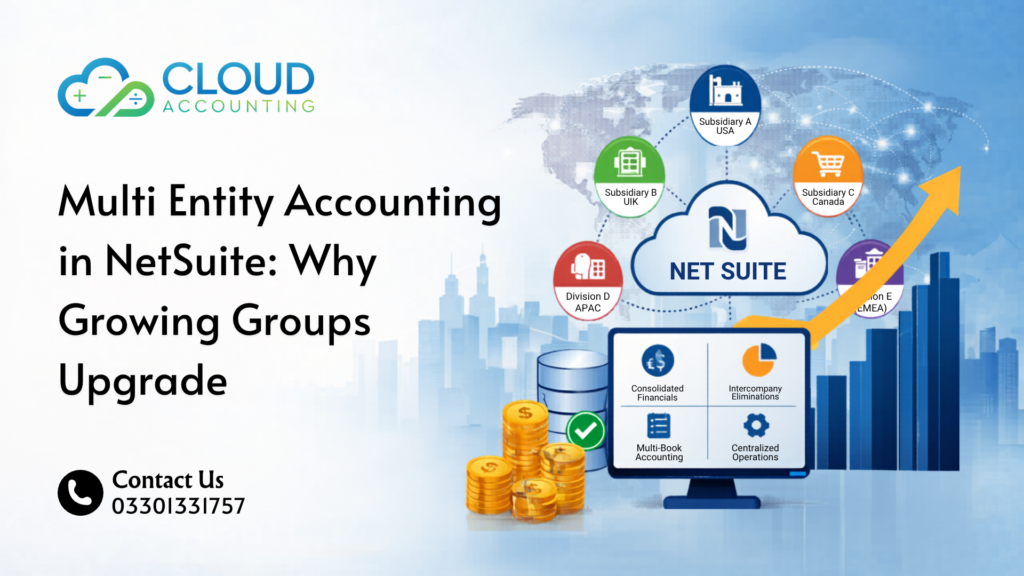
Growth feels great, until your accounting starts falling apart. At first, managing one business is simple. You know your numbers, your reports are quick, and everything feels under control. Then things start to change. You add another entity, maybe a new branch or a company in another country. Then another follows. Suddenly, what once felt simple becomes difficult to manage. Your reports don’t match, your data is scattered across different systems, and your finance team spends more time fixing issues than analysing performance. Month-end starts taking longer, and getting a clear financial picture becomes frustrating.
The real problem is that most accounting systems are designed for a single business, not for growing groups. As a result, businesses try to rely on workarounds. They use multiple systems, depend heavily on spreadsheets, and manually handle intercompany transactions. Over time, this leads to duplicated data, reporting delays, errors, and a lack of visibility across the group. Growth, instead of being exciting, starts creating pressure.
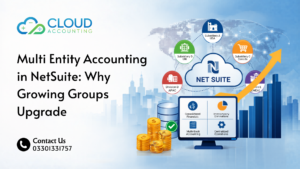
This is where Multi Entity Accounting NetSuite becomes a serious upgrade rather than just an option. It allows growing businesses to bring all their entities into one system, creating a single source of truth. Instead of chasing numbers and fixing mismatches, businesses can access real-time insights and make confident decisions. Many companies reach a point where their current setup simply cannot keep up. Spreadsheets increase, processes become messy, and accurate reporting becomes harder to achieve.
In this guide, we will explain what multi-entity accounting really means, why traditional systems fail as businesses grow, how NetSuite solves these challenges, and when it is the right time to upgrade. Let’s start with the basics.
What Is Multi Entity Accounting (And Why It Gets Complicated Fast)
At its core, multi entity accounting means managing the finances of more than one business under a single group. On paper, it sounds straightforward. In reality, it becomes complex very quickly as soon as you start growing.
Think about a typical scenario. You have a parent company and a few subsidiaries. Each one operates in a different location. Each follows its own tax rules, uses different currencies, and may even follow different reporting standards. Now try bringing all that data together into one clear, accurate financial report. This is where things start to break down.
The complexity comes from several areas. First, each entity has its own set of rules. Different countries mean different tax laws, compliance requirements, and accounting standards. Keeping everything aligned and compliant across all entities becomes a constant challenge. Then there is the issue of currencies. When businesses operate across borders, exchange rates change regularly. Manually converting and reconciling figures often leads to inconsistencies and errors.
Another major challenge is intercompany transactions. Businesses within the same group frequently trade with each other, transfer funds, or share costs. Without a proper system in place, tracking these transactions accurately becomes difficult, and mismatches are common. On top of that, consolidation is often delayed. Many traditional systems require manual work to combine financial data, which can take days or even weeks before you get a complete group-level view.
This is exactly why growing businesses start looking for better solutions. As complexity increases, they need more control, faster reporting, and greater accuracy. That is where Multi Entity Accounting NetSuite becomes a practical choice for businesses that want to scale without losing visibility.
Why Traditional Accounting Systems Break Down
Let’s be honest. Tools like Xero or QuickBooks are great when you’re small.
But once you scale into multiple entities, cracks start to show.
At first, you might try workarounds:
- Separate accounts for each entity
- Excel sheets for consolidation
- Manual intercompany tracking
It works… until it doesn’t.
Here’s where things fall apart:
No Centralised View
You’re forced to log into different systems just to understand your overall financial position. There’s no single source of truth.
Manual Consolidation
You export data, adjust numbers, and combine reports manually. This increases the risk of errors and wastes valuable time.
Limited Intercompany Handling
Most entry-level systems don’t properly support intercompany transactions. You end up duplicating entries or fixing mismatches.
Slow Decision-Making
When reports take weeks, decisions get delayed. And in a growing business, delay costs money.
This is the tipping point.
Businesses realise they don’t just need accounting software. They need a system designed for growth.
That’s where Multi Entity Accounting NetSuite steps in.
How Multi Entity Accounting Works in NetSuite
Now here’s where things start to feel a lot more under control.
NetSuite is built for businesses with multiple entities from the ground up. It doesn’t treat multi entity accounting as an add-on. It’s part of the core system.
Here’s how it works in simple terms:
One System for Everything
Instead of juggling multiple tools, NetSuite brings all entities into one platform. Each entity still operates independently, but everything is connected.
Real-Time Consolidation
No more waiting until month-end.
NetSuite automatically consolidates financial data across all entities. You can view group-level reports instantly, without manual work.
Automated Intercompany Transactions
When one entity transacts with another, NetSuite records both sides correctly.
Multi-Currency Support
NetSuite handles different currencies automatically. Exchange rates are applied correctly, reducing manual adjustments.
Built-In Compliance Support
Different tax rules? No problem.
NetSuite allows each entity to follow its own tax and regulatory requirements while still feeding into one system.
This is why Multi Entity Accounting NetSuite is such a powerful solution for growing groups. It removes complexity instead of adding more layers to manage.
Key Features That Make NetSuite Ideal for Growing Groups
Not all accounting systems are designed for scale. NetSuite stands out because it solves real problems that growing businesses face every day.
Let’s break down the features that actually make a difference.
Real-Time Consolidation
Waiting for reports is frustrating.
NetSuite eliminates that delay by consolidating data in real time. You can:
- View group financials instantly
- Drill down into individual entities
- Make decisions based on current data
No more guessing. No more outdated numbers.
Automated Intercompany Transactions
This is where many businesses struggle.
NetSuite automates intercompany entries, so:
- Transactions are recorded correctly across entities
- Eliminations are handled automatically
- Reconciliation becomes much easier
That alone can save hours every month.
Multi-Currency and Tax Handling
Operating across borders brings complexity.
NetSuite simplifies this by:
- Applying real-time exchange rates
- Supporting multiple tax structures
- Keeping each entity compliant
You don’t need separate systems for each region.
Unified Reporting Across Entities
Instead of stitching together reports, NetSuite gives you one clear view.
You can:
- Generate consolidated reports
- Compare entity performance
- Track growth across the group
This level of visibility is exactly why companies move to Multi Entity Accounting NetSuite as they scale.
Why Traditional Accounting Systems Break Down
Everything works fine in the early stages. One business, one system, simple reports. But as soon as you start adding more entities, the limitations of traditional accounting systems become clear.
Most tools like Xero or QuickBooks are built for single-entity businesses. They can handle basic needs well, but they struggle when you try to manage multiple companies under one structure. So businesses start using workarounds. Separate accounts for each entity, spreadsheets for consolidation, and manual tracking for intercompany transactions.
At first, this feels manageable. But over time, it creates more problems than it solves.
One of the biggest issues is the lack of a central view. Financial data is spread across different systems, making it hard to see the full picture. You have to log in and out of multiple accounts just to understand where your business stands. This slows everything down and increases the chances of missing something important.
Then comes manual consolidation. Finance teams often export data from different systems and combine it in spreadsheets. This process takes time and is highly prone to errors. Even a small mistake in formulas or data entry can lead to incorrect reports.
Intercompany transactions add another layer of complexity. Most traditional systems do not handle these properly. As a result, teams end up duplicating entries or spending hours fixing mismatches between entities.
Reporting also becomes slower and less reliable. Instead of getting real-time insights, businesses wait until all the data is manually prepared. By the time reports are ready, the information is already outdated.
This is the point where many growing companies realise their current setup is holding them back. They are not just dealing with accounting anymore. They are dealing with inefficiency, delays, and lack of control.
That is why businesses begin moving towards Multi Entity Accounting NetSuite, a system built to handle growth from the start.
How Multi Entity Accounting Works in NetSuite
At some point, businesses stop trying to fix their current system and start looking for one that actually fits how they operate. This is where NetSuite comes in.
NetSuite is designed from the ground up to handle multiple entities within a single system. Instead of treating each business as separate and disconnected, it brings everything together while still keeping each entity structured and compliant.
The biggest difference is centralisation. All your entities sit within one platform, which means your financial data is no longer scattered. Each entity can still manage its own operations, but everything feeds into one unified system. This creates a single, reliable source of truth across the entire group.
Another major advantage is real-time consolidation. Instead of waiting until the end of the month to combine reports, NetSuite automatically consolidates financial data as transactions happen. You can view group-level performance instantly, without relying on manual adjustments or spreadsheets.
Intercompany transactions also become much easier to manage. When one entity records a transaction, NetSuite automatically creates the matching entry in the other entity. This removes duplication, reduces errors, and eliminates hours of reconciliation work.
Multi-currency management is built into the system as well. NetSuite applies exchange rates automatically and keeps everything aligned across different regions. This ensures your reports stay accurate, even when dealing with global operations.
On top of that, NetSuite supports different tax rules and compliance requirements for each entity. You don’t need separate systems for different countries. Everything is handled within one platform while still meeting local regulations.
This is what makes Multi Entity Accounting NetSuite so powerful. It doesn’t just manage complexity, it removes it. Instead of working harder to keep things together, businesses can finally operate with clarity, speed, and confidence.
Ready to Take Control of Your Multi Entity Accounting?
If your business is growing and your accounting is starting to feel harder to manage, you’re not alone. Most companies reach a point where their current system simply cannot keep up.
The good news is, it doesn’t have to stay that way.
With the right setup, Multi Entity Accounting NetSuite can give you clear visibility across all your entities, faster reporting, and far better control over your finances. But getting there requires the right approach, especially when it comes to migration and configuration.
That’s where Cloud Accounting can help.
We support growing businesses with:
- NetSuite setup tailored to multi-entity structures
- Clean migration from systems like Xero, QuickBooks, or Sage
- Accurate data consolidation and validation
- Ongoing support to keep your system running smoothly
Whether you are managing two entities or twenty, we can help you build a system that actually supports your growth.
Get in touch today to discuss your setup or request a consultation with our team.